
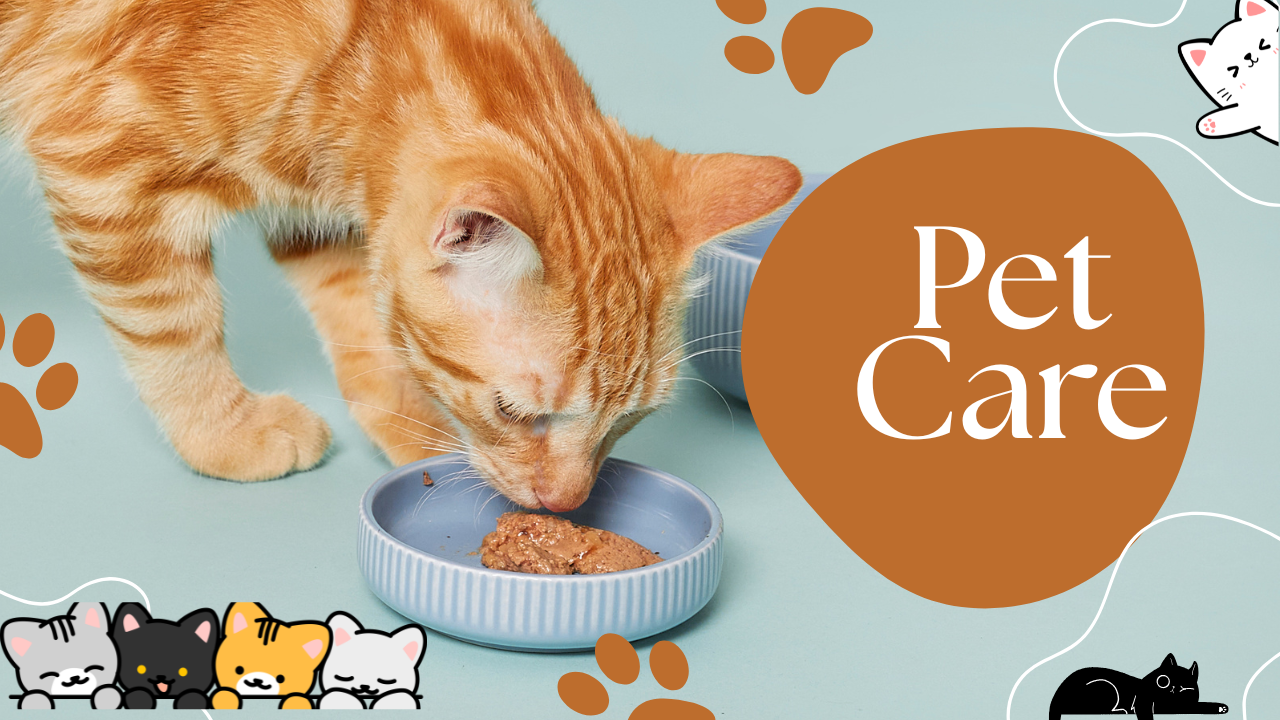
If you’ve ever owned a cat, you’ve probably heard that soft, soothing sound called purring. While it often seems like a sign of happiness, purring can actually mean many different things.
Understanding why cats purr helps you better connect with your pet and recognize their needs and emotions.
🐾 What Is Purring?
Purring is a continuous, vibrating sound that cats make.
How It Happens:
- Caused by rapid movement of muscles in the throat
- Happens during both inhaling and exhaling
It’s a unique ability that most cats have.
😺 Cats Purr When They Are Happy
The most common reason for purring is contentment.
Examples:
- While being petted
- During relaxation
- When sitting with their owner
A relaxed cat often purrs.
🐱 Purring as a Form of Communication
Cats use purring to communicate.
Situations:
- Greeting their owner
- Asking for food
- Seeking attention
It’s a gentle way of expressing needs.
🧠 Purring for Comfort
Cats may purr to calm themselves.
When:
- In stressful situations
- When feeling anxious
Purring helps reduce stress.
🏥 Purring and Healing
Purring has healing benefits.
Studies suggest:
- Helps reduce pain
- Promotes healing
- Improves bone strength
It’s like a natural therapy.
🐾 Purring When Sick or Injured
Not all purring means happiness.
Watch for:
- Purring with unusual behavior
- Low energy
- Loss of appetite
This could signal illness.
🐱 Mother and Kitten Communication
Purring starts early.
Example:
- Kittens purr to communicate with their mother
- Mothers purr to comfort kittens
It strengthens their bond.
🍖 Purring for Food
Cats often purr when they want food.
Signs:
- Following you
- Sitting near food bowl
It’s their way of asking.
🐾 Different Types of Purring
Not all purring sounds the same.
Types:
- Soft purring → relaxation
- Loud purring → excitement or need
Tone can indicate mood.
⚠️ When to Be Concerned
Purring can sometimes hide discomfort.
Warning Signs:
- Changes in behavior
- Lack of movement
- Signs of pain
Consult a vet if unsure.
🧩 Understanding Your Cat Better
Observe your cat’s behavior.
Pay Attention To:
- Body language
- Environment
- Timing of purring
Context is important.
❤️ Strengthening Your Bond
Respond to your cat’s purring.
Tips:
- Pet gently
- Speak calmly
- Spend time together
This builds trust.
🏡 Creating a Comfortable Environment
A happy cat purrs more.
Tips:
- Provide a cozy space
- Keep routine consistent
Comfort leads to happiness.
🔮 Long-Term Understanding
Over time, you’ll learn your cat’s signals.
Focus On:
- Patterns
- Behavior changes
Every cat is unique.
📌 Conclusion
Purring is one of the most fascinating behaviors in cats. While it often signals happiness, it can also indicate communication, comfort, or even health issues.
By understanding why your cat purrs, you can better care for them and strengthen your relationship.
