
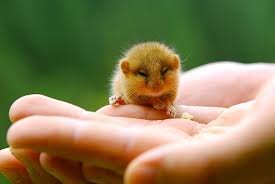
Understanding your small pet’s behavior is key to providing proper care. Animals like hamsters, rabbits, and guinea pigs communicate through their actions, and learning these signals helps you respond to their needs effectively.
👀 Why Behavior Matters
Observing your pet’s behavior helps you:
- Understand their mood
- Detect early signs of illness
- Build a stronger bond
- Improve daily care
Your pet “talks” through behavior—you just need to notice.
🐾 Normal Behaviors
Each pet has natural habits:
- Hamsters love running and exploring at night
- Rabbits enjoy hopping and digging
- Guinea pigs make sounds to communicate
These behaviors are completely normal and healthy.
😊 Signs of Happiness
A happy pet shows positive behavior:
- Active and playful
- Eating regularly
- Exploring surroundings
- Relaxed body posture
These are good signs that your pet feels safe.
⚠️ Signs of Stress or Fear
Watch out for warning signs:
- Hiding constantly
- Aggression or biting
- Freezing in place
- Loud or unusual sounds
These may indicate discomfort or خوف.
🗣️ Understanding Sounds
Some pets communicate with sounds:
- Guinea pigs “squeak” when excited or hungry
- Rabbits may make soft noises when relaxed
- Sudden loud sounds may indicate fear
Learning these sounds helps you respond better.
🤝 Building Trust Through Behavior
You can improve your relationship:
- Respect your pet’s space
- Interact gently
- Learn what your pet likes and dislikes
Trust builds over time with understanding.
🔄 Changes in Behavior
Sudden changes are important:
- Loss of activity
- Refusing food
- Unusual habits
These may be signs of illness and should be checked.
✅ Final Thoughts
Understanding your pet’s behavior is essential for good care. By paying attention to their actions and signals, you can ensure your small pet feels safe, happy, and well cared for.
