
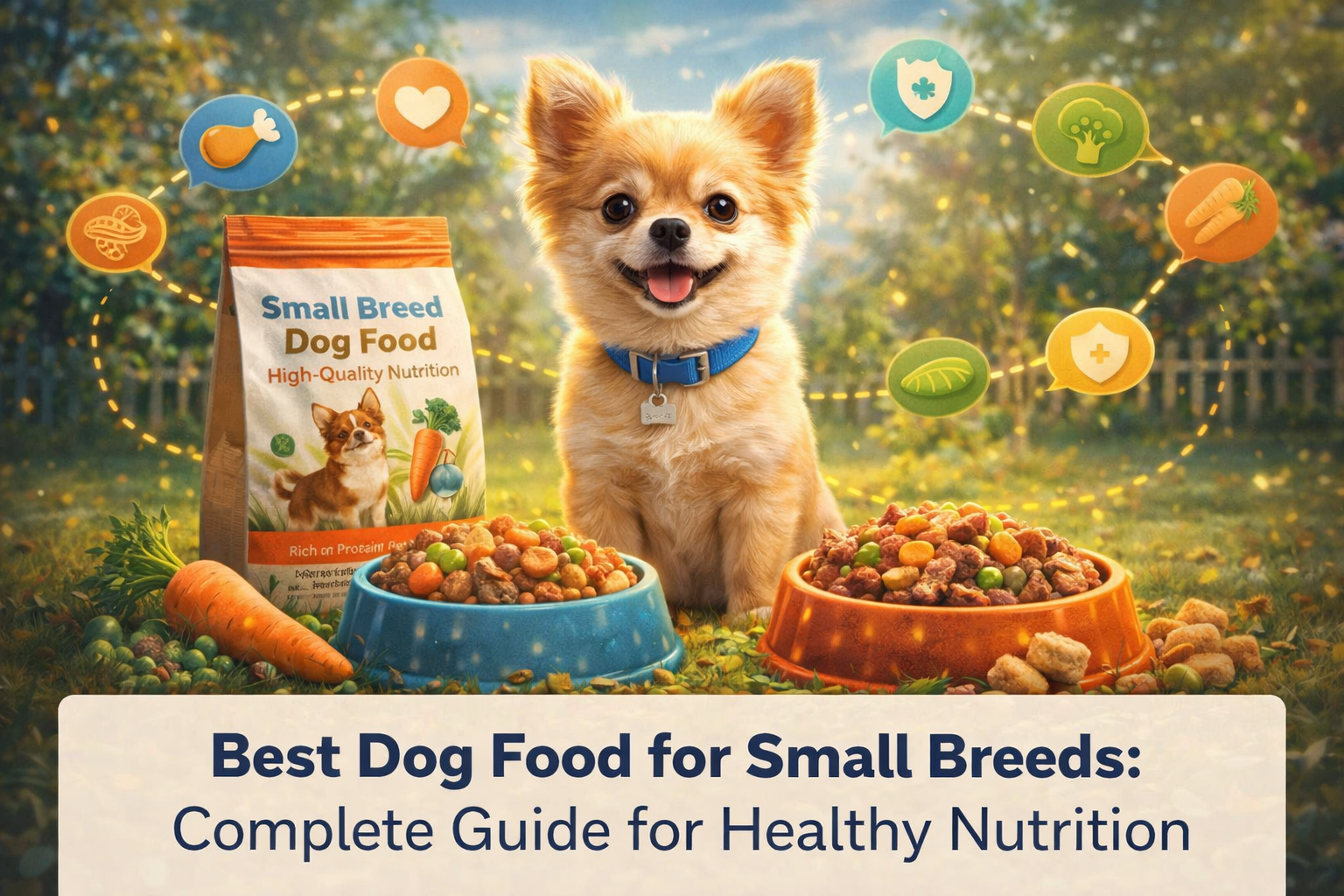
Choosing the right food for your small dog is one of the most important decisions you can make as a pet owner. Small breed dogs have unique nutritional needs that differ from larger breeds, including higher metabolism, smaller stomachs, and specific dietary requirements.
Providing the right balance of nutrients ensures your dog stays healthy, energetic, and lives a long, happy life.
🐾 Why Small Breeds Need Special Food
Small breed dogs burn energy faster than larger dogs.
Key Reasons:
- Faster metabolism
- Smaller stomach capacity
- Higher energy levels
Because of this, they require nutrient-dense food in smaller portions.
🍖 Key Nutrients for Small Breed Dogs
A balanced diet is essential.
1. Protein
Supports muscle growth and energy.
2. Healthy Fats
Provide energy and improve coat health.
3. Carbohydrates
Offer additional energy.
4. Vitamins & Minerals
Support overall health and immunity.
📊 High-Quality Ingredients to Look For
Always check the ingredient list.
Best Ingredients:
- Real meat (chicken, beef, salmon)
- Whole grains (rice, oats)
- Vegetables (carrots, peas)
- Healthy oils
Avoid fillers and artificial additives.
⚠️ Ingredients to Avoid
Some ingredients can harm your dog.
Avoid:
- Artificial preservatives
- Corn and soy fillers
- By-products
- Excess sugar
Quality matters more than quantity.
🐕 Dry Food vs Wet Food
Both options have benefits.
Dry Food (Kibble):
- Good for dental health
- Convenient
- Long shelf life
Wet Food:
- Easier to chew
- More hydration
- More appealing taste
Many owners combine both.
🦴 Portion Control for Small Dogs
Overfeeding is a common problem.
Tips:
- Follow feeding guidelines
- Use measuring cups
- Adjust based on activity level
Small dogs gain weight easily.
🐶 Feeding Schedule
Consistency is important.
Recommended:
- 2–3 meals per day
This helps maintain energy levels and digestion.
🧠 Special Dietary Needs
Some small dogs need special diets.
Examples:
- Sensitive stomach
- Food allergies
- Weight management
Consult a vet when needed.
🐾 Best Dog Food Types for Small Breeds
Different options suit different dogs.
Popular Choices:
- Grain-free food
- High-protein diets
- Organic dog food
Choose based on your dog’s needs.
🏆 Signs of Good Nutrition
A healthy diet shows in your dog’s condition.
Signs:
- Shiny coat
- Healthy weight
- High energy
- Good digestion
If these are present, your dog is eating well.
⚠️ Common Feeding Mistakes
Avoid these mistakes:
- Overfeeding treats
- Sudden food changes
- Feeding human food
- Ignoring portion sizes
These can harm your dog’s health.
🍗 Homemade Dog Food
Some owners prefer homemade meals.
Benefits:
- Full control over ingredients
- Fresh meals
Important:
Always ensure balanced nutrition.
💧 Importance of Hydration
Water is essential.
Tips:
- Always provide fresh water
- Monitor water intake
Hydration supports digestion and health.
🔄 Transitioning to New Food
Switch food gradually.
Steps:
- Mix old and new food
- Increase new food over 7 days
- Monitor your dog
This prevents digestive issues.
🔮 Future Trends in Dog Nutrition
Pet nutrition is evolving.
Trends:
- Natural ingredients
- Personalized diets
- Sustainable pet food
Owners are becoming more health-conscious.
📌 Conclusion
Feeding your small dog the right food is essential for their health and happiness. By choosing high-quality ingredients, maintaining proper portions, and understanding your dog’s specific needs, you can ensure they live a long and energetic life.
Good nutrition is the foundation of a healthy dog.
