
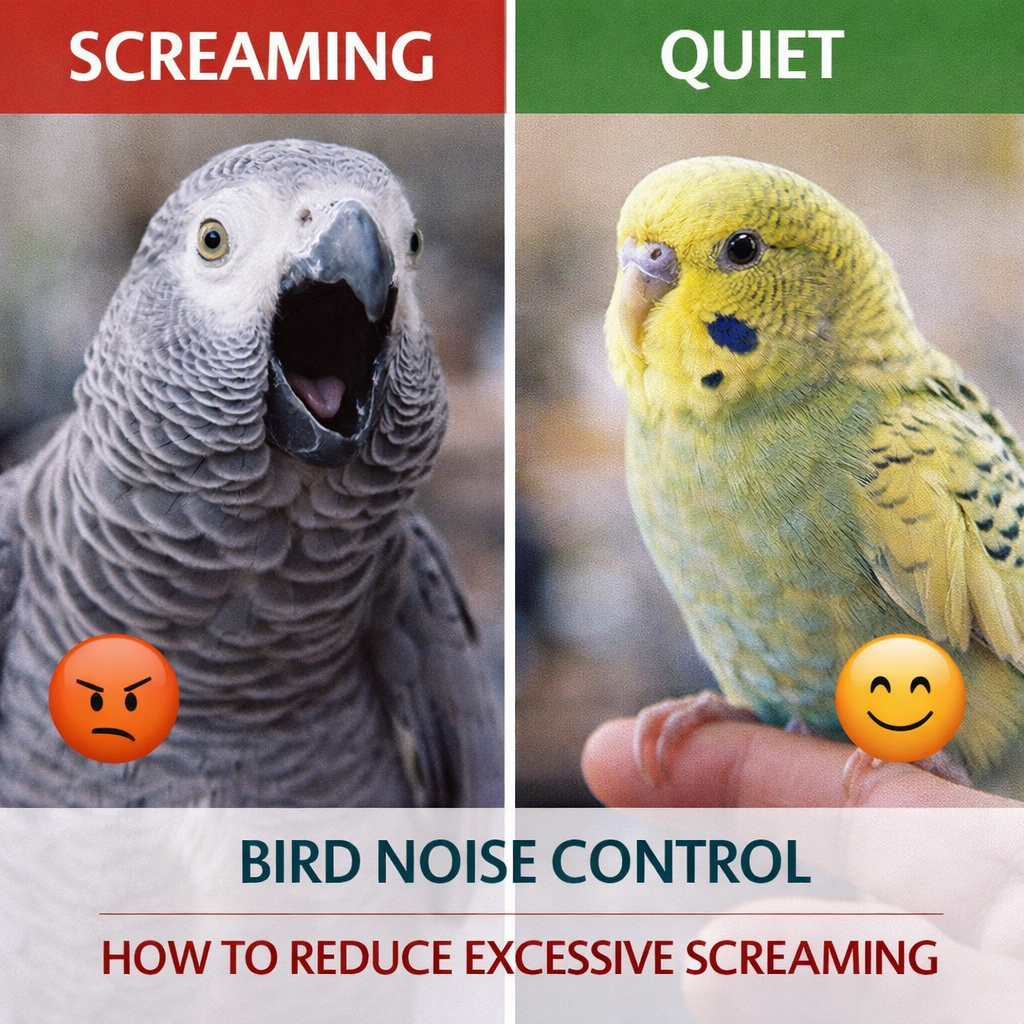
Birds are naturally vocal animals, but excessive noise and constant screaming can become a problem for many bird owners. While some level of noise is normal, understanding the reasons behind loud behavior is key to managing it effectively.
With the right approach, you can reduce excessive screaming while keeping your bird happy and healthy.
🐾 Why Birds Make Noise
Noise is a natural form of communication for birds.
Common Reasons:
- Seeking attention
- Expressing emotions
- Communicating with owners
- Reacting to environment
Not all noise is bad—it’s part of their nature.
⚠️ When Noise Becomes a Problem
Excessive screaming is not normal.
Signs:
- Constant loud noises
- Screaming for long periods
- Disruptive behavior
This often indicates an underlying issue.
🧠 Common Causes of Excessive Noise
Understanding the cause is the first step.
1. Boredom
Birds need mental stimulation.
2. Loneliness
Lack of interaction leads to attention-seeking.
3. Stress
Changes in environment can trigger noise.
4. Hunger or Needs
Birds may scream when they need something.
🐦 Attention-Seeking Behavior
Many birds scream to get your attention.
Important:
- Don’t reward screaming
- Avoid responding immediately
Otherwise, your bird learns that noise = attention.
🎯 How to Reduce Screaming
1. Ignore Unwanted Noise
Only respond when your bird is calm.
2. Reward Quiet Behavior
Positive reinforcement works best.
Rewards:
- Treats
- Praise
- Attention
3. Increase Mental Stimulation
Provide:
- Toys
- Training sessions
- Interaction
A busy bird is a quiet bird.
🧩 Establish a Routine
Birds feel secure with routine.
Include:
- Feeding time
- Playtime
- Rest time
Consistency reduces anxiety.
🐾 Provide Enough Social Interaction
Birds are social animals.
Tips:
- Spend time daily
- Talk to your bird
Lonely birds are noisier.
🏡 Improve the Environment
Environment affects behavior.
Check:
- Cage size
- Noise levels
- Lighting
A comfortable bird is less likely to scream.
🔊 Avoid Reinforcing Bad Behavior
Never:
- Yell back
- Punish
This increases stress and noise.
🧠 Teach Quiet Commands
You can train your bird.
Steps:
- Wait for silence
- Say a command like “quiet”
- Reward
Repeat consistently.
⚠️ Identify Stress Triggers
Watch what causes noise.
Possible Triggers:
- New pets
- Loud sounds
- Changes in routine
Remove or reduce triggers.
🐦 Proper Diet and Health
Health affects behavior.
Ensure:
- Balanced diet
- Clean water
Poor health can lead to irritability.
🧩 Use Distraction Techniques
Redirect your bird’s focus.
Examples:
- Offer toys
- Start training
Distraction reduces noise.
❤️ Be Patient and Consistent
Behavior change takes time.
Remember:
- Stay calm
- Be consistent
Progress may be slow but effective.
🔮 Long-Term Noise Management
Consistency leads to improvement.
Focus On:
- Routine
- Positive reinforcement
- Understanding behavior
Your bird will gradually become calmer.
📌 Conclusion
Excessive bird noise can be challenging, but with patience, understanding, and the right techniques, it can be managed effectively. By identifying the causes and reinforcing positive behavior, you can create a peaceful environment for both you and your bird.
A calm bird leads to a calm home.
