
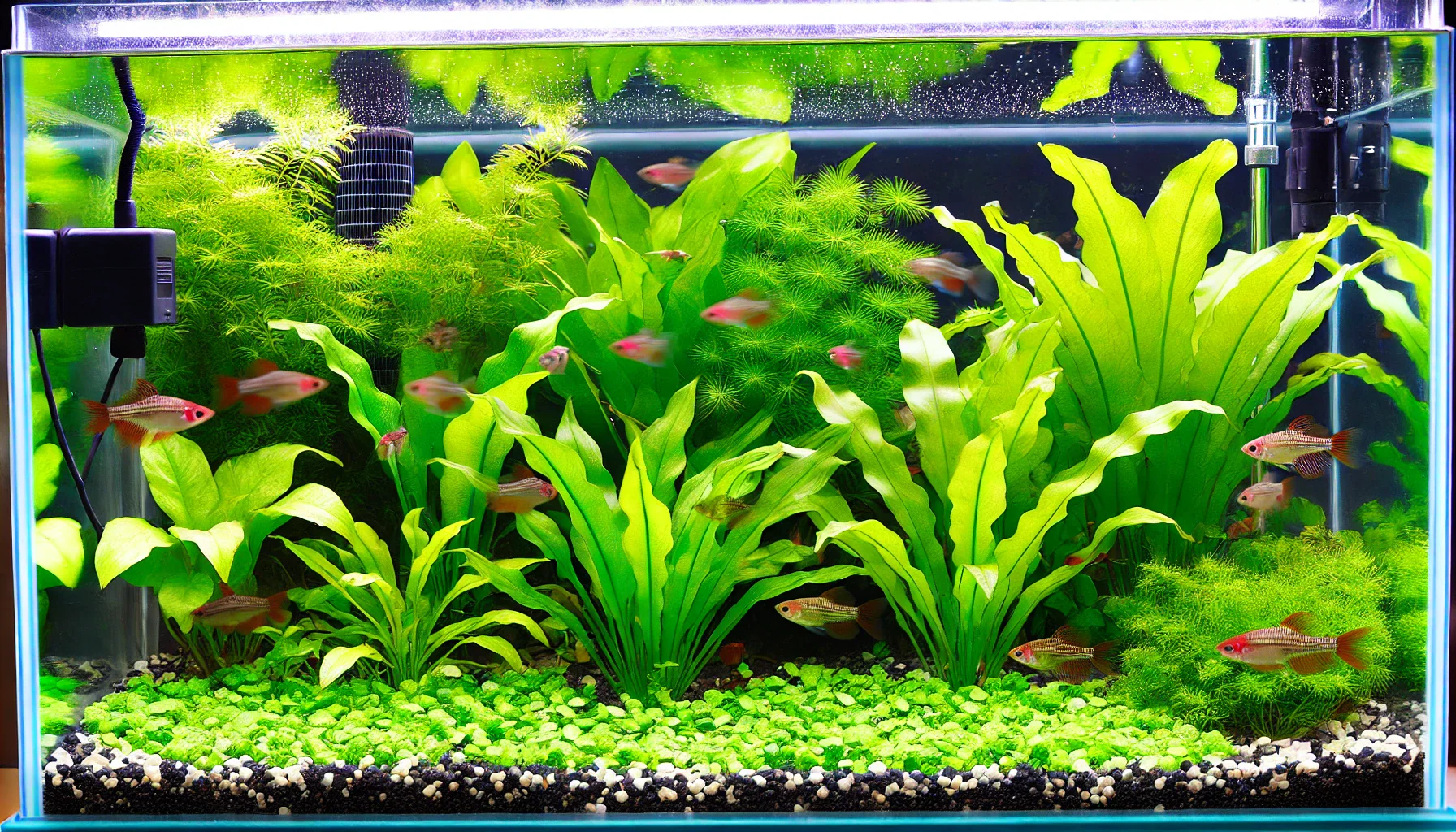
Water quality is the most important factor in fish care. No matter how beautiful your tank looks, if the water is not clean and balanced, your fish will not survive.
Many beginners focus on feeding and decorations but ignore water quality, which leads to stress, disease, and sudden fish death.
In this guide, you’ll learn how to maintain perfect water conditions and keep your aquarium safe and healthy.
🐾 Why Water Quality Is Critical
Fish live in water 24/7, so their health depends entirely on it.
Good Water Quality Means:
- Healthy fish
- Less disease
- Clear water
- Stable environment
Bad water = big problems.
🧠 What Affects Water Quality?
Several factors impact your tank water.
Main Factors:
- Fish waste
- Uneaten food
- Dead plants
- Poor filtration
All these create harmful toxins.
🧪 Key Water Parameters You Must Know
Understanding water chemistry is important.
⚠️ 1. Ammonia (Most Dangerous)
Produced from fish waste.
Effects:
- Burns gills
- Causes death
👉 Should always be 0 ppm
⚠️ 2. Nitrite
Intermediate toxin in nitrogen cycle.
Effects:
- Blocks oxygen in blood
👉 Should be 0 ppm
🟡 3. Nitrate
Less harmful but still dangerous in high levels.
Safe Range:
- Below 20–40 ppm
⚖️ 4. pH Level
Measures water acidity.
Ideal Range:
- 6.5 – 7.5 (depends on fish)
🔄 The Nitrogen Cycle (Very Important)
Your tank must have beneficial bacteria.
Process:
- Ammonia → Nitrite → Nitrate
This cycle keeps water safe.
🧠 Signs of Poor Water Quality
Watch your fish carefully.
Warning Signs:
- Cloudy water
- Bad smell
- Fish gasping at surface
- Lethargy
These mean something is wrong.
💧 How to Keep Water Clean
🥇 1. Regular Water Changes
Most important step.
Rule:
- Change 20–30% weekly
🥈 2. Use a Good Filter
Filters remove waste and toxins.
👉 Always keep filter running
🥉 3. Avoid Overfeeding
Too much food pollutes water.
👉 Feed small amounts only
🐾 4. Avoid Overcrowding
Too many fish = more waste
👉 Keep proper fish count
🧼 Testing Your Water
Use test kits regularly.
Types:
- Test strips
- Liquid test kits
Test weekly for best results.
🌡️ Temperature and Water Quality
Temperature affects water chemistry.
Important:
- High temperature → less oxygen
- Low temperature → slow metabolism
Keep stable temperature.
🧩 How Plants Help Water Quality
Live plants act as natural filters.
Benefits:
- Absorb nitrates
- Improve oxygen
⚠️ Common Water Quality Mistakes
Avoid these:
- Skipping water changes
- Overfeeding
- Not testing water
- Cleaning filter incorrectly
🐟 Water Conditioner (Must Use)
Tap water contains chlorine.
Solution:
- Always use water conditioner
🧠 When Water Becomes Dangerous
Take action if:
- Fish behave strangely
- Water smells bad
- Tank looks dirty
🏡 Creating a Balanced Aquarium
Balance is key.
Focus On:
- Clean water
- Proper feeding
- Good filtration
❤️ Daily and Weekly Routine
Daily:
- Check fish behavior
Weekly:
- Water change
- Clean tank
- Test water
🔮 Long-Term Water Stability
Stable tanks are easier to maintain.
Tips:
- Avoid sudden changes
- Maintain routine
📌 Conclusion
Maintaining good water quality is the foundation of fish care. By understanding water parameters, performing regular maintenance, and avoiding common mistakes, you can create a safe and healthy environment for your fish.
Clean water means healthy, happy fish.
